Choosing the best patio cover company in Orange County can feel difficult because so many companies make big promises. To make a smart choice, compare companies side by side based on what really matters most, including design capabilities, product build quality, and customer support.
Check for proven results in local cities like Irvine, Newport Beach, and Huntington Beach, and make sure the company is upfront about product details and pricing. Focusing on these details helps you pick the right patio cover builder and avoid surprises.
What Type of Patio Cover Fits Your Home?
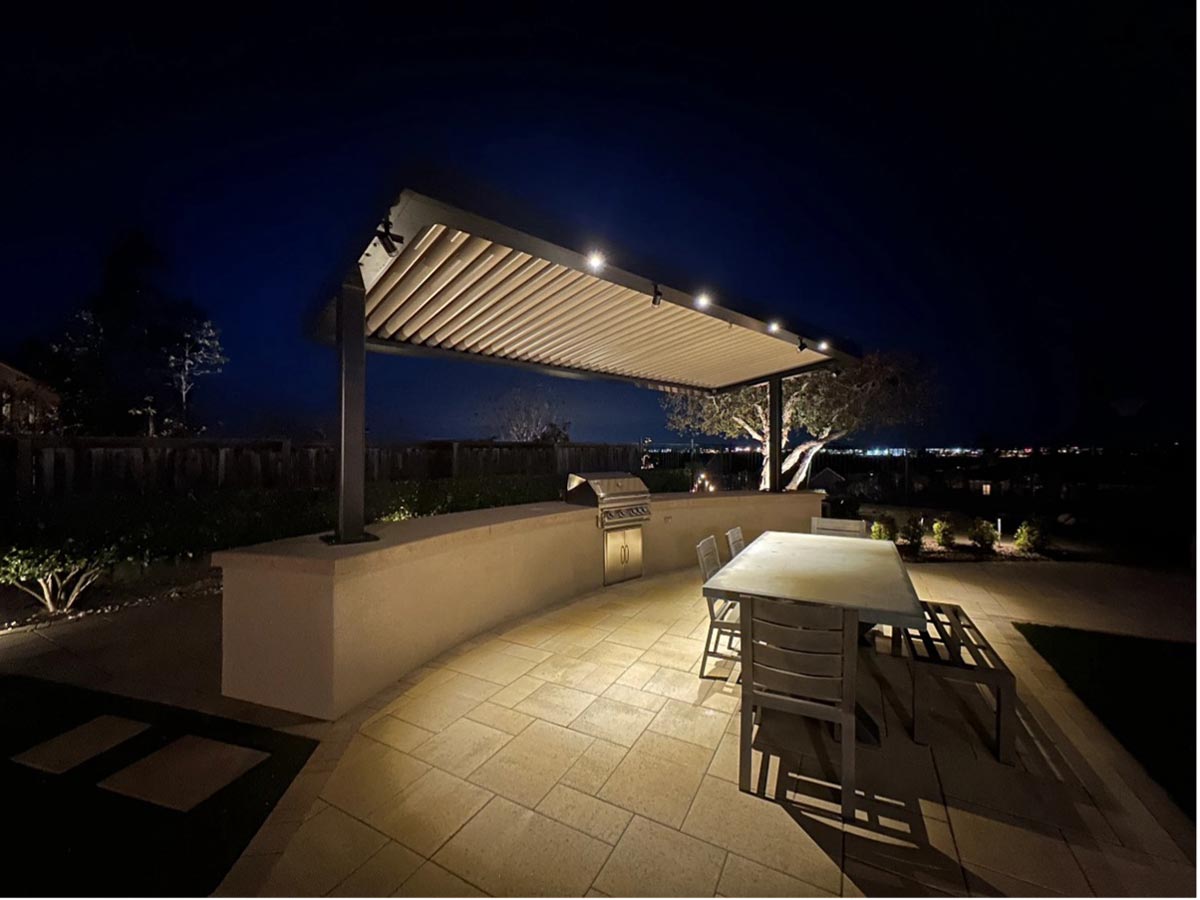
Patio covers come in different styles. Fixed covers give you constant shade, while louvered pergolas let you adjust how much sun you get. If you want both sun and shade, a motorized louvered roof is a good choice. For example, the Pergola X system has louvers that pivot up to 170° for better light control. When it rains, the louvers close tightly, directing water into a built-in gutter. A solid roof panel might be fine for a patio you use occasionally, but an adjustable design is better for daily use and year-round comfort.
Consider your home layout and decide whether you want a cover attached to your house or a freestanding pergola in your yard. Check how water will drain and how the cover will handle wind exposure. Modern aluminum systems like StruXure are made for strength and can handle tough weather. They use fully extruded aluminum that resists rust and rot, helping your cover last longer. If your patio receives strong afternoon sun or heavy rain, a smart louvered system lets you choose between open sky or full shade.
Think about how you use your patio each day. If your family eats outside, you might want lighting and a fan, so plan those features during design so your installer and electrician can complete them later. Make a list of your top priorities:
- Shade needs: Full-time shade or adjustable sun control
- Rain needs: Stay dry during Orange County drizzles
- Wind exposure: A windy area that needs a stronger design
- Attachment point: Roofline attachment or freestanding unit
- Drainage route: Gutter to yard or existing drains
- Power and controls: Motorized louvers and available wiring
- Future add-ons: Lights, heaters, or screens later
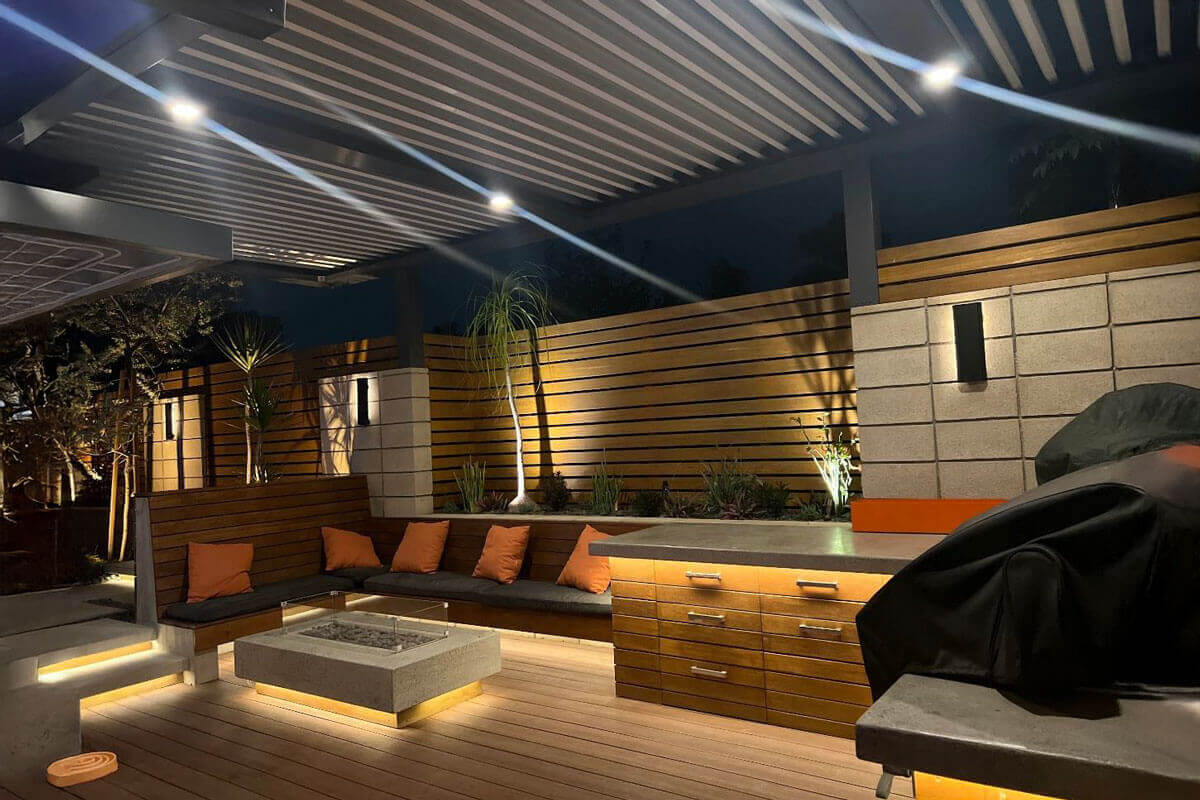
7 Ways to Compare Patio Cover Companies in Orange County
Choosing a patio cover company is easier when you break the decision into seven parts and apply the same checks to every company. Review their reputation and past projects to evaluate work quality, compare materials and structural strength, request the product warranty in writing, review pricing details for long-term value, and evaluate design flexibility and custom features. Compare each company carefully to see which best fits your needs.
1. Reputation and Past Projects
A company’s track record in Orange County is important, so choose a patio cover builder with local customers and completed projects similar to yours. Ask to see a portfolio or gallery of past work, including projects in cities like Irvine, Newport Beach, Santa Ana, and Laguna Hills.
Check the company’s reputation online by reading reviews and testimonials from other homeowners. Look for feedback about product quality, service, and communication. A reputable local patio cover company will have positive reviews and provide references you can contact, ensuring they deliver what they promise with verified feedback.
- Past projects: Ask for photos or tour a recent patio cover job
- Reviews: Check Google, Yelp, and site testimonials for homeowner feedback
- References: Ask for 2 to 3 past clients you can call
- Showroom: See a louvered pergola in person to check build quality
2. License, Insurance, and Permits
Before hiring a company, verify its credentials. In California, patio cover work must be performed by a contractor holding the proper license, so look up the license number in the state database to confirm it is active.
Insurance is equally important. Confirm the company carries general liability insurance and workers’ compensation coverage, as this reduces liability risk. If permits or HOA paperwork apply to your property, ask what drawings, specifications, and engineering documents the company provides to support approvals.
Some companies handle the design & build out of the patio cover and will refer you to licensed contractors for the installation instead. This way you can get expert work for both the design and construction of your patio cover with proper licensing and insurance.
3. Material Quality and Build Strength
The materials and construction methods affect how strong and long-lasting your patio cover will be. Compare the types, thicknesses, and finishes of the aluminum each company uses. Fully extruded aluminum with a powder-coated finish resists rust and rot, while roll-formed aluminum or vinyl panels are more likely to bend and wear out faster.
Good rain control starts with gutters, channels, and tightly sealed louvers. StruXure, for example, drains water through the posts using an internal gutter system. Ask whether the roof seals tightly during rain, and check wind ratings to ensure the system can withstand Santa Ana winds and strong gusts.
Hardware quality also affects resistance to stains, sagging, and long-span support. Ask for stainless steel fasteners and corrosion-resistant brackets, and compare post and beam sizing along with span and load ratings. For example, Pivot 6 XL uses larger beams, resulting in fewer posts and a clearer view.
- Choose extruded aluminum over wood or thin metal for longevity.
- Use powder-coated finishes to resist chipping, peeling, and corrosion.
- Pick interlocking louvers and gutters to route rainwater away.
- Confirm wind ratings match coastal gusts and Santa Ana winds.
- Request stainless steel bolts and brackets to reduce rust stains.
- Verify that span and load ratings meet your patio width.
Warranty Coverage
A patio cover is a significant investment, so compare product warranty coverage carefully. Reputable companies provide written warranty terms for the system, and many warranties cover the frame and louvers longer than motors or electronics.
When comparing companies, do not accept verbal warranty promises. Request all warranty terms in writing, review coverage details, determine what could void coverage, and confirm whether the warranty transfers if you sell your home. Choose a company with strong product coverage and clear claim procedures.
Price Breakdown and Long-Term Value
Many homeowners focus on price first, but price alone can hide missing details. Review how each company itemizes pricing, since a higher price may include a stronger frame, better finish, or more built-in options. A lower price may exclude items you assumed were included, such as motor controls or upgraded hardware. Ask for a clear, itemized breakdown so you understand exactly what you are paying for.
Focus on long-term value rather than initial cost alone. Higher-quality materials last longer, and stronger warranty coverage can reduce future expenses. Compare what is included in the product order before comparing total price.
- Scope: Match the same size, features, and add-ons.
- Materials used: Compare the material grade and system brand.
- Included options: Check motors, sensors, gutters, and accessories.
- Exclusions: List what pricing leaves out.
- Warranty: Compare product warranty length and terms.
- Maintenance needs: Compare upkeep needs across cover types.
Design Options and Custom Add-Ons
Compare companies based on design flexibility and available options, since your home is unique and your outdoor space should reflect it. Some companies only offer fixed kits with limited sizes and colors, while others create custom designs sized to your space.
The Pergola X system is designed per project and comes in six colors: white, black, gray, bronze, adobe, and beige, with custom color options available for closer matching. If matching trim is important, confirm the company can support that.
Think about extras you may want now or later, such as lights, heaters, screens, or fans. Plan these features during design so your installer and electrician can complete them later. If smart features matter, ask about motorized louvers and controls that integrate with phone apps or Alexa.
Questions to Ask Before You Sign a Contract
Before choosing a patio cover company, ask direct questions and expect clear answers in plain language:
- What exact brand, model, and controls are included?
- What is included and excluded in the product order?
- What documents do I receive for HOA or city needs, if required?
- What is the production timeline, and what can change it?
- How do design changes affect price and order details?
- Do you provide referrals to local installers in my area?
- What product warranty covers the frame, finish, and motor parts?
- How will drainage be incorporated into the product design, and where will water exit?
What a Good Quote Should Include
When you receive pricing, it should be detailed and specific, clearly outlining what you are getting and the full cost. Ask for a written, itemized breakdown, since a one-line price often means key details are missing.
Review the scope first, including design size and added options. List materials and the exact product model, such as the StruXure Pivot 6 or another named system. Include finish color selections and specify whether the structure is attached or freestanding.
A patio cover pricing breakdown should include:
- Itemized product scope and included options
- Materials and exact patio cover model
- Color and finish choice
- Drainage components included with the system
- Motor and control package details, if included
- Warranty terms for the product in writing
- Exclusions and assumptions documented in writing
How to Compare Pricing Details Side by Side
When comparing pricing, make sure both quotes are for the same patio cover type. Match size, structure type, and primary features before comparing totals. If details do not align, request the missing specifications in writing.
Next, compare materials and system specifications, including aluminum type and louver design. Match accessories such as gutters, lighting, or sensors, and review warranty coverage for frame, finish, and motors. Then compare line items, since a higher total may reflect better materials or more included features. Ask questions about unclear items and choose the option that best fits your needs.
How To Choose the Right Patio Cover Company
Choose a patio cover company you can verify. Price matters, but documented proof matters more. Look for real projects, strong product specifications, and clear written documentation.
- Proof over promises: Favor companies that demonstrate product quality with photos, local reviews, and homeowner testimonials.
- Scope in writing: Ensure every detail—model, options, finishes, and warranty—is documented to reduce surprises.
- Right product fit: Confirm the company can build the cover you want, whether solid roof or louvered pergola. Avoid companies pushing limited kits if you need custom sizing.
- Smart control and comfort: If modern features matter, confirm motorized louvers and control integrations.
- Water management plan: Ensure interlocking louvers and built-in gutters route water to a planned exit path.
Summary
Comparing patio cover companies takes time, but it helps you avoid costly mistakes. Evaluate product scope, materials, reputation, and warranty coverage carefully, and make sure written details align with your expectations.
Focus on verified facts: confirm the model, motor package, drainage design, finish color, and included options. Get every promise in writing—including warranty terms and exclusions—so once you choose, you can enjoy your patio cover with confidence.